Grooming
Cats are meticulous self-groomers, spending a good chunk of their day grooming to maintain proper hygiene, regulate body temperature, stimulate circulation, and provide self-soothing. Using their serrated tongues, they remove debris and distribute natural oils, often following a specific routine, starting with the head and moving down the body. This does not mean that as a caretaker for your cat that you should not also be tending to their grooming needs. Regular grooming for cats is essential to prevent painful mats, reduce hairballs, manage shedding, and detect skin issues. Cats also need their nails trimmed to manage the discomfort that can come with having long nails. It is important to expose cats to grooming young to avoid issues in the future as they age.
Feeding
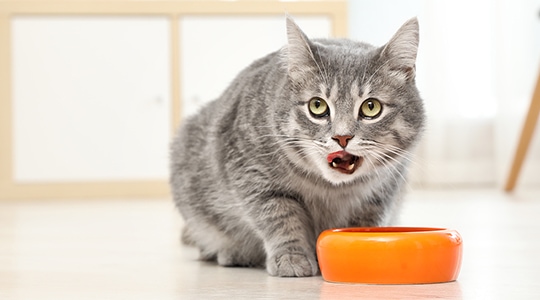
Although domesticated, cats are still carnivores and require a meat-based diet. Their diet must consist primarily of high-quality animal protein, moderate fats, essential amino acids, vitamins, minerals, and moisture. Canned wet food is generally recommended over dry food to ensure adequate water intake. Making your own cat food is a difficult and time-consuming process, as a recipe may not contain the right quantities and proportions of nutrients for your cat. It is generally recommended that cat owners purchase nutritionally balanced food, unless a veterinarian recommends a home-formulated recipe for medical purposes. When buying cat food, prioritize finding a named animal protein (beef, chicken, salmon) as the first ingredient to ensure high-quality nutrition for your cuddly companion.